Can Australia's Conservation Practices Inspire Ecotourism Success Stories?
Australia’s Conservation Techniques
Australia, renowned for its rich biodiversity, has implemented a variety of conservation techniques to safeguard its unique ecosystems. At the heart of this is the management of protected areas, leveraging policies that ensure the preservation of native flora and fauna. Places like the Royal Botanic Gardens Victoria play a critical role in this, offering educational programmes and conservation initiatives that reflect Melbourne's commitment to ecological sustainability. It's fascinating to see how such urban greenspaces contribute significantly to conservation efforts.
Community involvement is another key aspect, with numerous conservation projects empowering locals to take active participation. Such initiatives focus on habitat restoration and species protection, aiming to boost biodiversity in urban and rural areas alike. These efforts align with Australia's broader environmental objectives, providing a framework for sustainable coexistence between humans and nature.
Wildlife preservation initiatives have also gained traction, drawing attention to the conservation of iconic species such as the koala and the platypus. By integrating scientific research with community-driven efforts, these initiatives aim to create a balanced ecosystem where wildlife can thrive. With ongoing threats from climate change and habitat loss, these measures are crucial for Australia's environmental future.
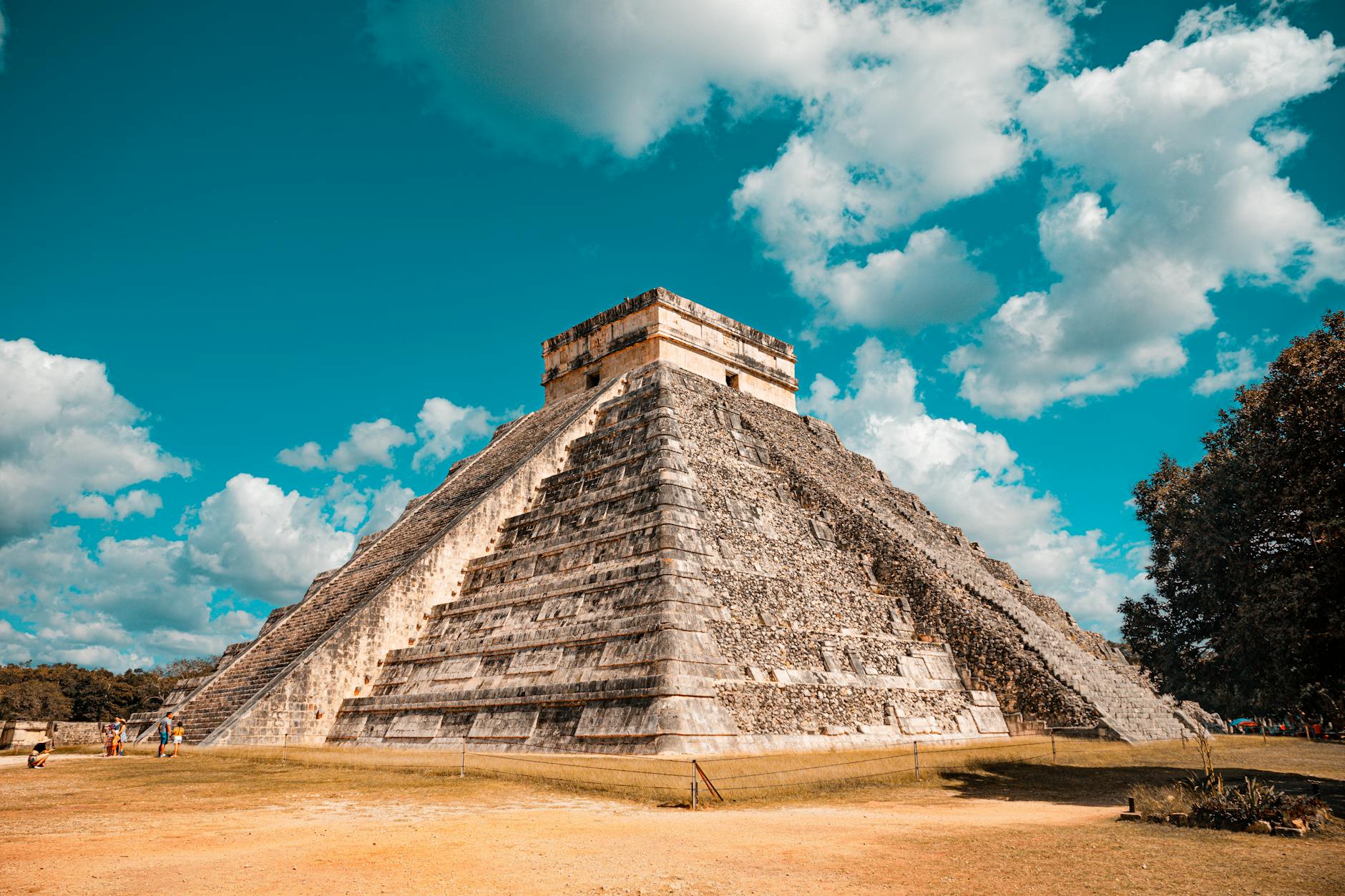
All these efforts underscore the importance of blending advanced conservation techniques with community engagement. This multifaceted approach not only preserves natural habitats but also fosters a deeper connection between people and the natural world. As we dive deeper into this topic, consider exploring other ecosystems, like those in Machu Picchu tours or even the fascinating landscapes of Cuba travel, to broaden our understanding of global conservation efforts.
Ecotourism Opportunities
National Parks Exploration
Ecotourism in Australia presents a fascinating blend of natural wonders and sustainable travel practices. Exploring national parks can provide an enriched understanding of ecological diversity and conservation efforts. Picture trekking through the Daintree Rainforest or surveying the expansive vistas of Kakadu National Park. These environments serve as classrooms in themselves, much like the biodiversity exhibits at the Melbourne Museum, allowing visitors to observe complex ecosystems firsthand.
Indigenous Cultural Experiences
Experiencing Indigenous cultures adds immense value to ecotourism. Engaging with Traditional Owners and Elders offers insights into ancient practices of land management and cultural traditions. Touring sites such as Uluru presents unique storytelling opportunities that reveal the deep spiritual connection Indigenous peoples have with the land. Much like the guides at the Royal Botanic Gardens Victoria, these experiences enrich our comprehension of Aboriginal heritage and sustainability principles.
Eco-Friendly Accommodations
Staying in eco-friendly accommodations is crucial to responsible tourism. Options range from solar-powered lodges to sustainably built cabins, each promoting minimal environmental impact. These establishments often integrate features that conserve water and energy, aligning with ecotourism's goal of environmental preservation. Reflecting on the scenic and environmentally mindful surroundings along the Yarra River trails could serve as a local example, demonstrating how accommodations can blend seamlessly with nature—an approach also embraced in galapagos islands tours, where sustainability is central to the visitor experience.
Educational Benefits of Ecotourism
Linking Conservation and Curriculum
Incorporating ecotourism into the educational landscape offers tangible bridges between conservation efforts and classroom lessons. The vivid displays at The Royal Botanic Gardens Victoria exemplify how living exhibits can demonstrate broader ecological principles. A Galapagos cruise, for instance, becomes an immersive journey that aligns with topics like evolutionary biology, emphasizing species adaptation and the environmental impact of human activity.
Interactive Learning Experiences
Interactive learning experiences are vital for engaging students with ecological studies. By visiting the biodiversity exhibits at Melbourne Museum, students can delve into the diverse ecosystems they learn about. Real-world application of this knowledge—such as observing the endemic species of the Galapagos Islands—solidifies understanding beyond theoretical concepts. Such experiences propel students into discussions about biodiversity and conservation actively, making classroom topics palpable.
Student Engagement Strategies
Effective engagement strategies afford students opportunities to explore ecotourism's educational potential. Encouraging students to partake in activities such as guided nature walks along the scenic Yarra River trails not only fosters a connection with local biodiversity but also encourages active participation in conservation efforts. This approach transforms passive learning into active involvement, urging students to explore similar excursions globally. Ultimately, Nathan’s goal is to empower students with firsthand environmental experiences, encouraging them to become advocates for sustainable practices.
Challenges in Ecotourism
Balancing Accessibility and Conservation
Navigating the delicate balance between accessibility and conservation in ecotourism is akin to walking a tightrope. As educators, the pressing goal is to offer enriching experiences like South America tours that capture the splendour of places like Machu Picchu. Yet, this must harmonise with conservation goals to ensure these historic sites remain unspoiled for generations to come. The biodiversity exhibits at Melbourne Museum illustrate how careful planning allows public access without compromising integrity.
Managing Visitor Impact
Managing the impact of visitors is another considerable challenge in ecotourism. The scenic trails along the Yarra River provide a local example of how thoughtful management of foot traffic can minimise environmental disturbance. By employing techniques such as controlled visitation times and reinforced pathways, it's possible to reduce detrimental effects on native ecosystems when organising international student trips.
Ensuring Authentic Experiences
Ensuring that ecotourism experiences remain authentic and educational is vital. Authenticity stems from embracing local customs and historical contexts, which means collaborating with regional guides and communities. This strategy is reflected in the sustainability goals of projects launched at The Royal Botanic Gardens Victoria, where local flora and fauna are treated with the utmost respect. Educators like Nathan can draw valuable parallels from such initiatives for their trips, ensuring that student tours deliver both educational impact and cultural respect.
Best Practices for Educators
Designing Student-Centric Itineraries
When crafting itineraries, it's vital to focus on student-centric considerations. Tailored experiences can pique interest and foster an appreciation for conservation. The extensive trails near the Yarra River offer not only picturesque views but also firsthand opportunities to study ecosystems. Aligning trips with curriculum goals ensures students absorb the essence of local flora and fauna while integrating theoretical knowledge with real-world observations.
Partnering with Local Experts
Collaborating with local experts like those at The Royal Botanic Gardens Victoria enriches the educational experience by offering deeper insights into conservation efforts. These esteemed ecologists can shed light on current challenges in tourism and showcase successful native species restoration projects. An exchange with experienced guides or museum curators enhances students' understanding, melding textbook concepts with contemporary conservation practices.
Embedding Inclusive Learning Outcomes
To derive maximum educational value from ecotourism, it's crucial to embed clear learning outcomes. This could involve setting objectives around sustainability, biodiversity, or conservation ethics before embarking on field trips. Engaging with interactive exhibits like those at the Melbourne Museum can reinforce lessons in a memorable and impactful way. Students are encouraged to connect theories with observable phenomena, achieving a comprehensive grasp of environmental stewardship. Through these efforts, we aim not only to educate but also to inspire the next generation of conservationists.